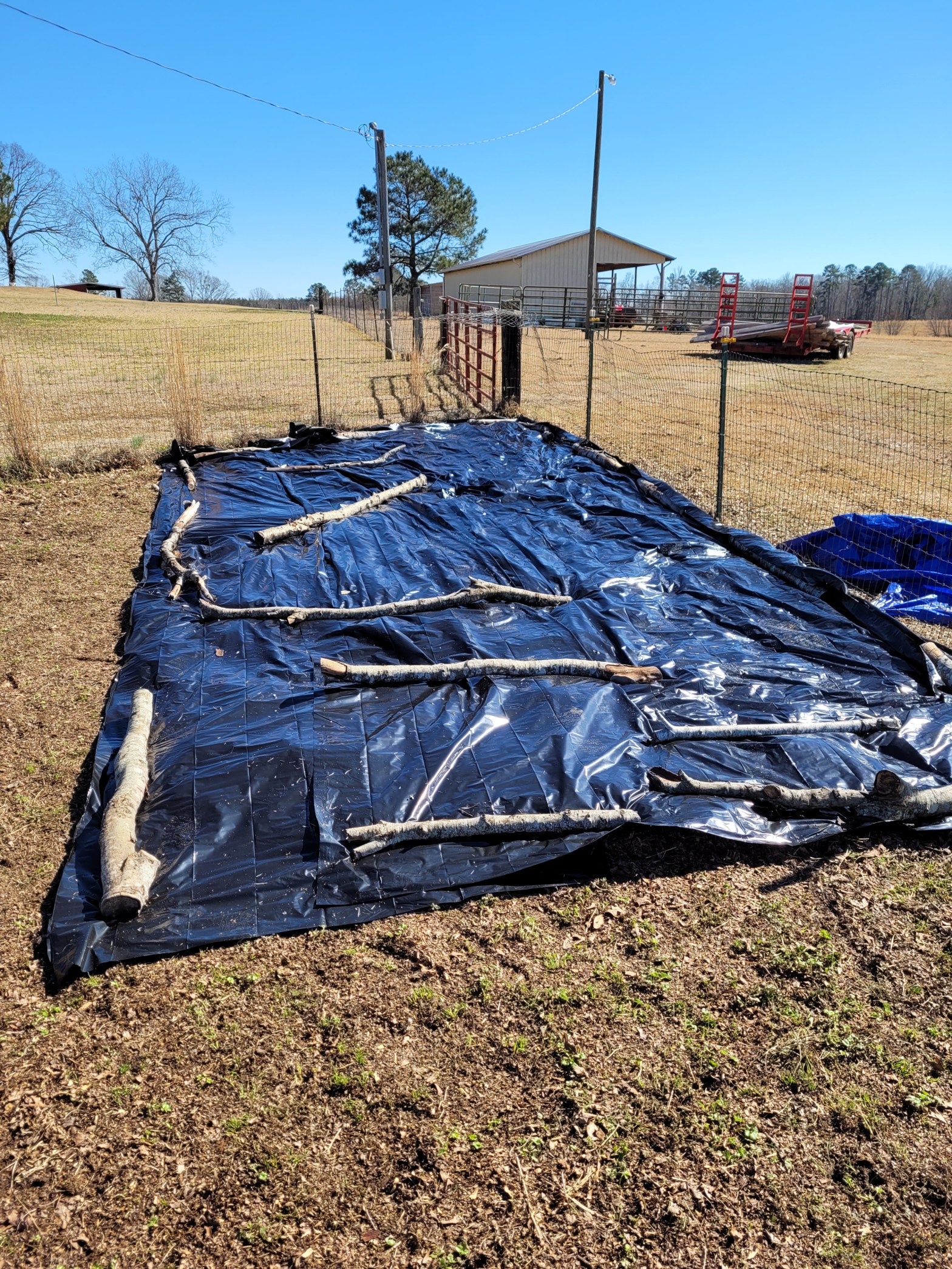
It’s a crappy job, but someone has to do it.
Welcome back to the farm! We have been away for a couple weeks and I apologize for that. I picked up about 72 hours of overtime in a two-week period at work, which limited time to write about what I was doing in my limited free time between shifts. Now that I am past that, it is time to catch up on our latest project, the garden.
Right out of the gate, all the ideas I use here I got from Jack Spirko at The Survival Podcast. He is a great wealth of knowledge when it comes to many subjects, especially gardening, and permaculture. I followed most of his recommendations for starting a garden from scratch in the fall/winter time frame. If you are looking for more info on gardening, seed starting, hydroponics, aquaponics, permaculture, or lifestyle design, check out Jack’s podcast.

Our garden starts out in a slightly unusual place, the chicken coop. We used the deep bedding method for our coop. This involves putting down pine wood shavings in a fairly deep layer. As the chicken poop built up, we would stir it and add more shavings over a four-to-six-month period. Once we hit a depth that the bedding was spilling out of the openings, I took my shovel and rake and cleaned it out. In previous years we would dump this material on a pile in the pasture near the barn and then encourage the chickens to scratch on it by throwing feed to keep turning it and allowing it to compost along with old hay and manure from the horse stall.
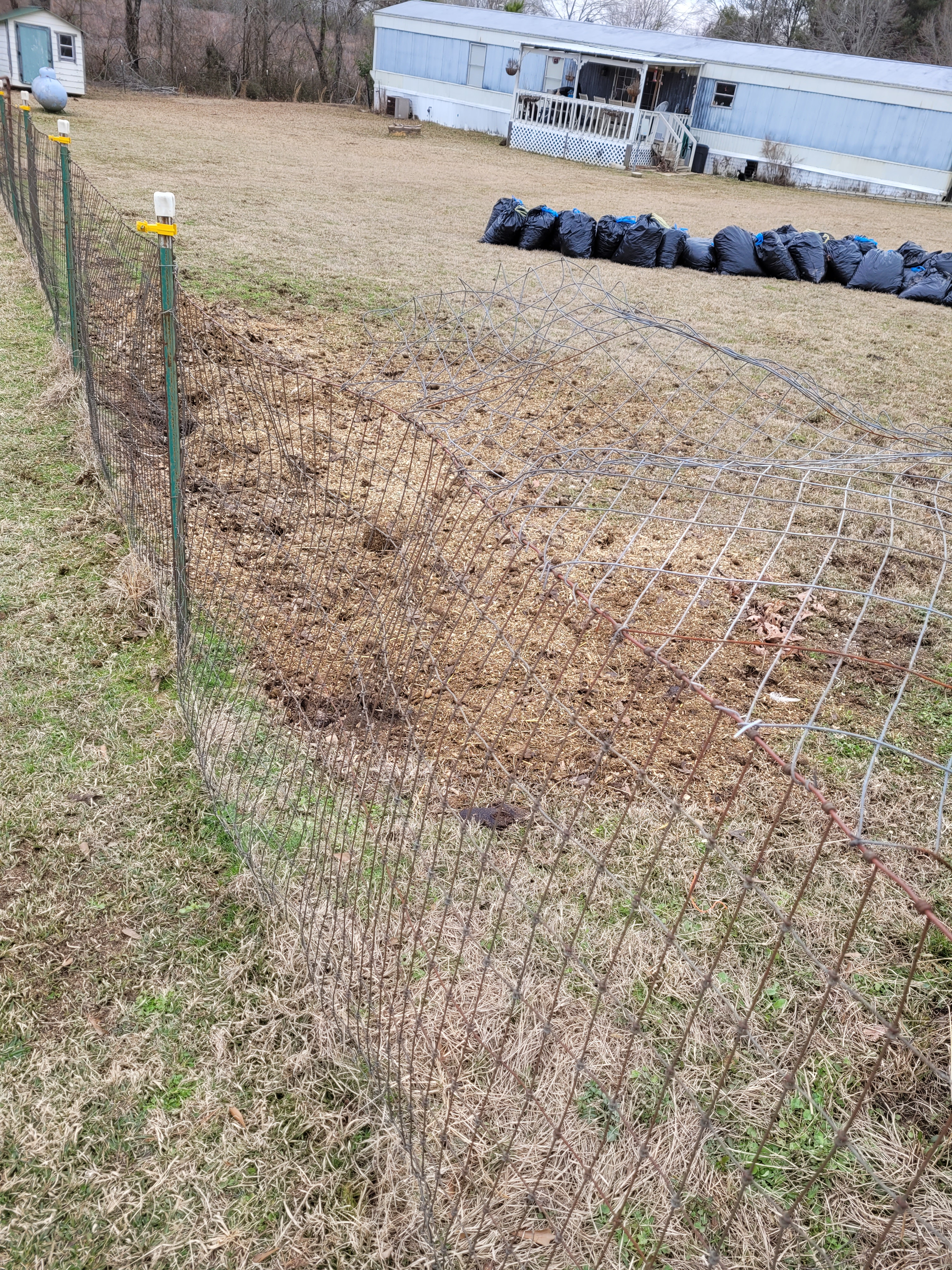
This time we took the buckets and dumped them on the spot of the back yard we chose to make a garden. Right on top of the grass. In addition to the coop, we also did deep bedding int the horse stall which, as you may remember, also housed the meat birds for a time if you read those posts. This was far more material than the small eight-foot by eight-foot coop floor yielded. It was far deeper bedding and much more shavings and hay mixed in.
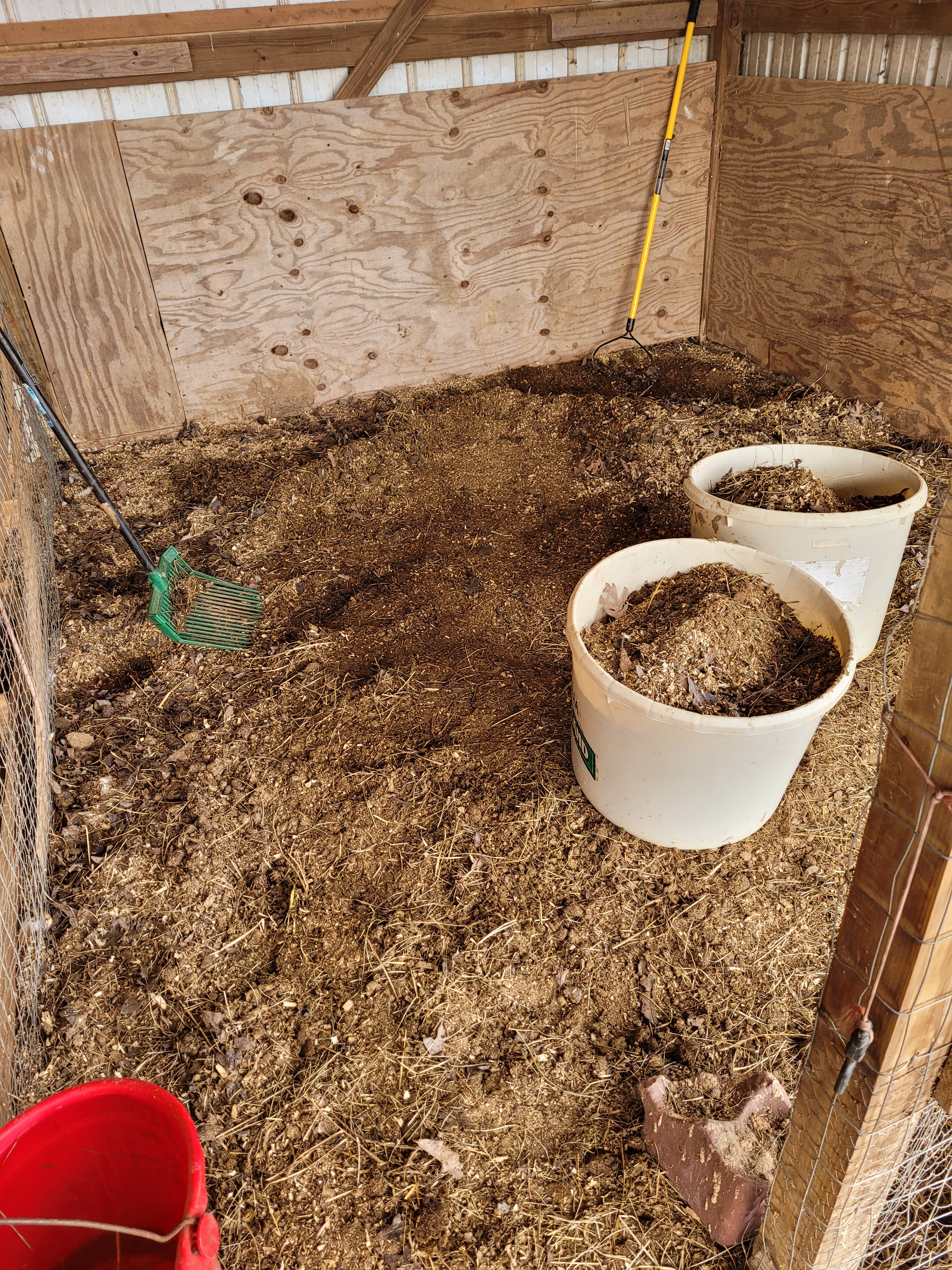
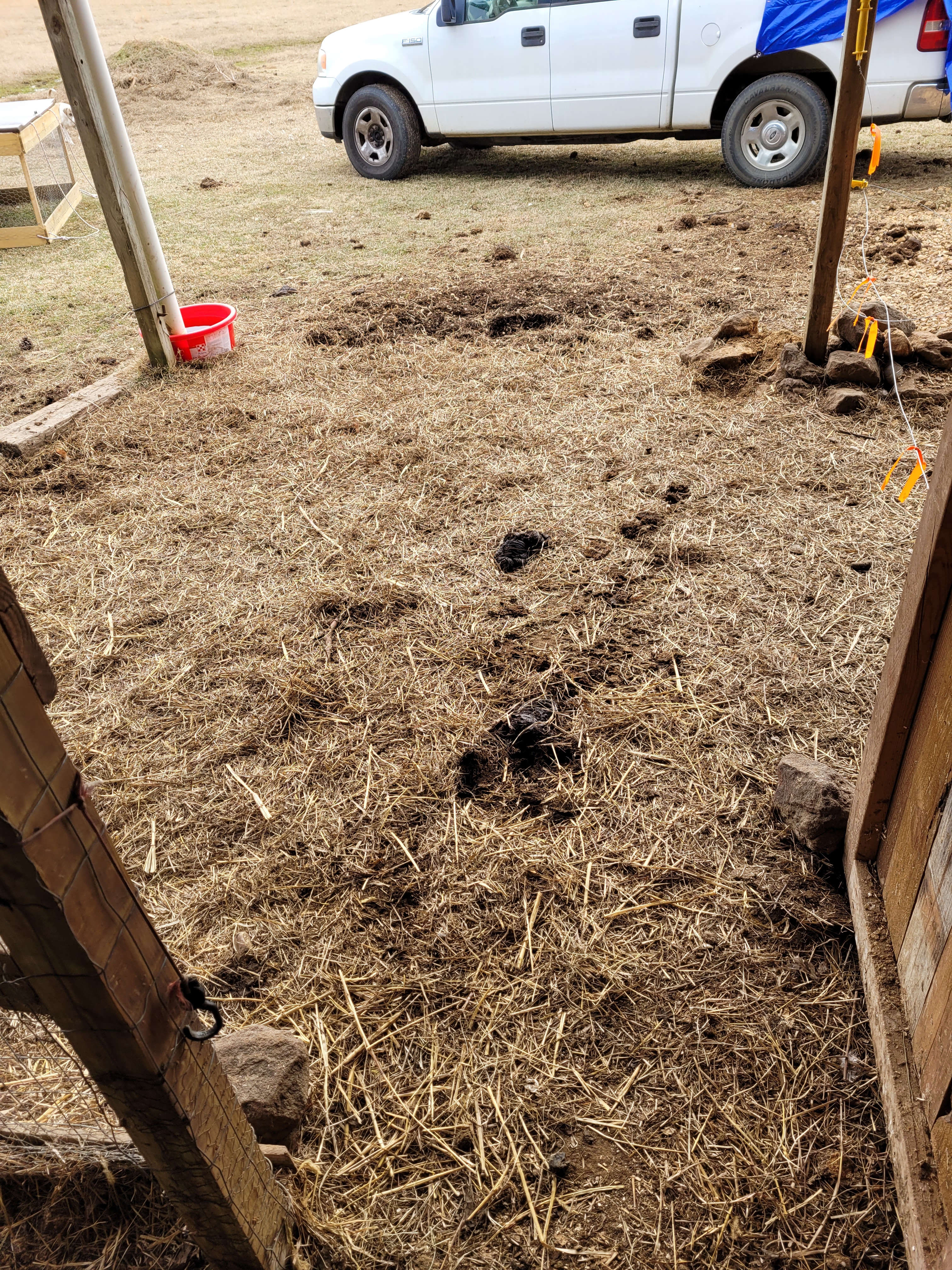
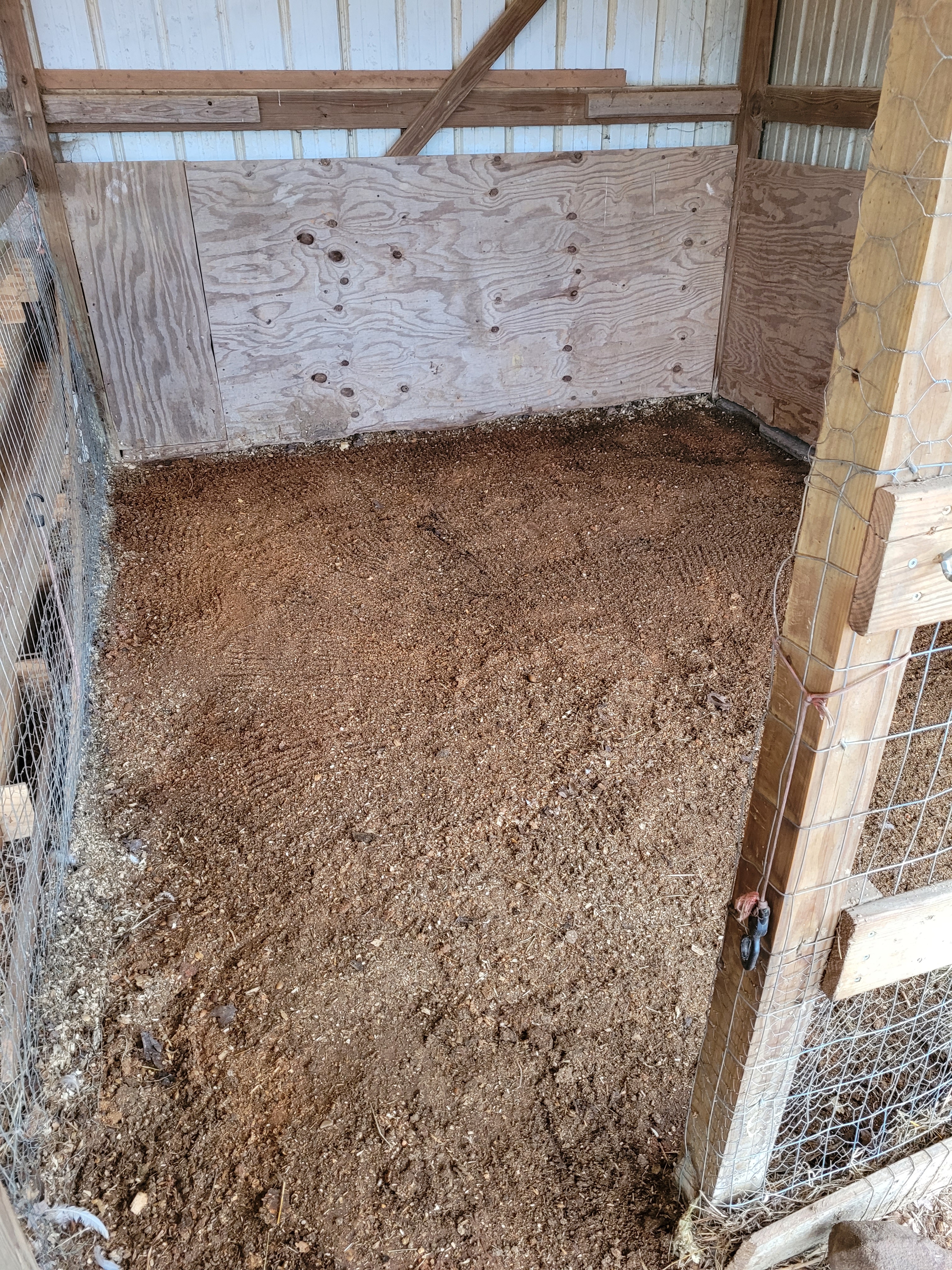
We mucked the stall down to the dirt floor and took all the loads of bedding and added to the garden spot. Now this material has not been composted completely although the process had started in the stall. It still needs to compost more before it is usable. To encourage this and add more material, I picked up bagged leaves along the road and stored them in preparation for the next step. With the bedding dumped and spread as evenly as possible, we took the leaves and dumped them on the ground beside the garden plot.
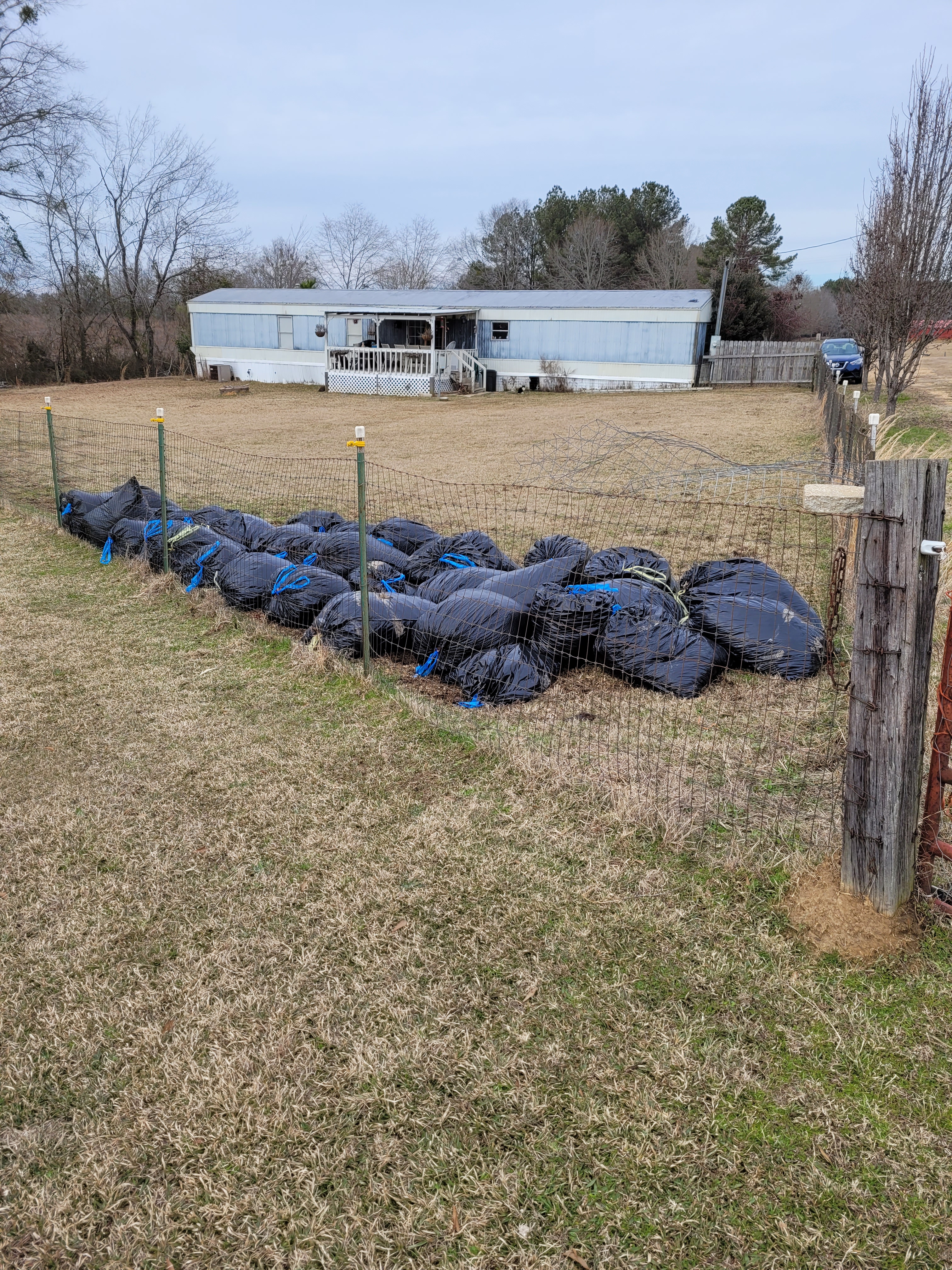
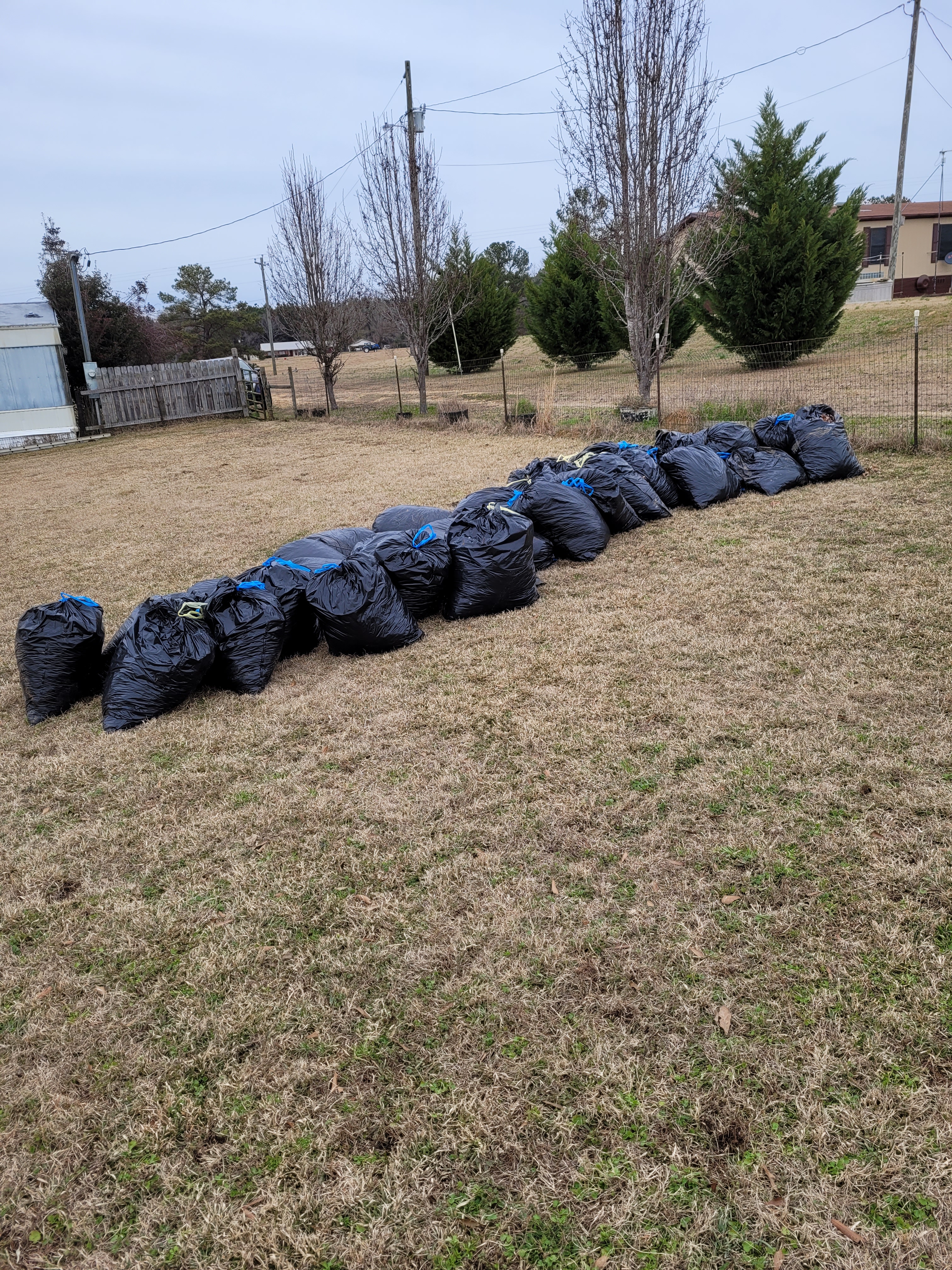
Leaves are great compost, but when you have a deep layer of leaves and they get wet they tend to not break down. Instead, they create a sheet or layer that seals the ground from the materials above. To keep this from happening in our garden plot and ensuring we get maximum composting of the leaves, I used our lawn mower and ran over the leaves to mulch them up good and spread this over top of the bedding material.

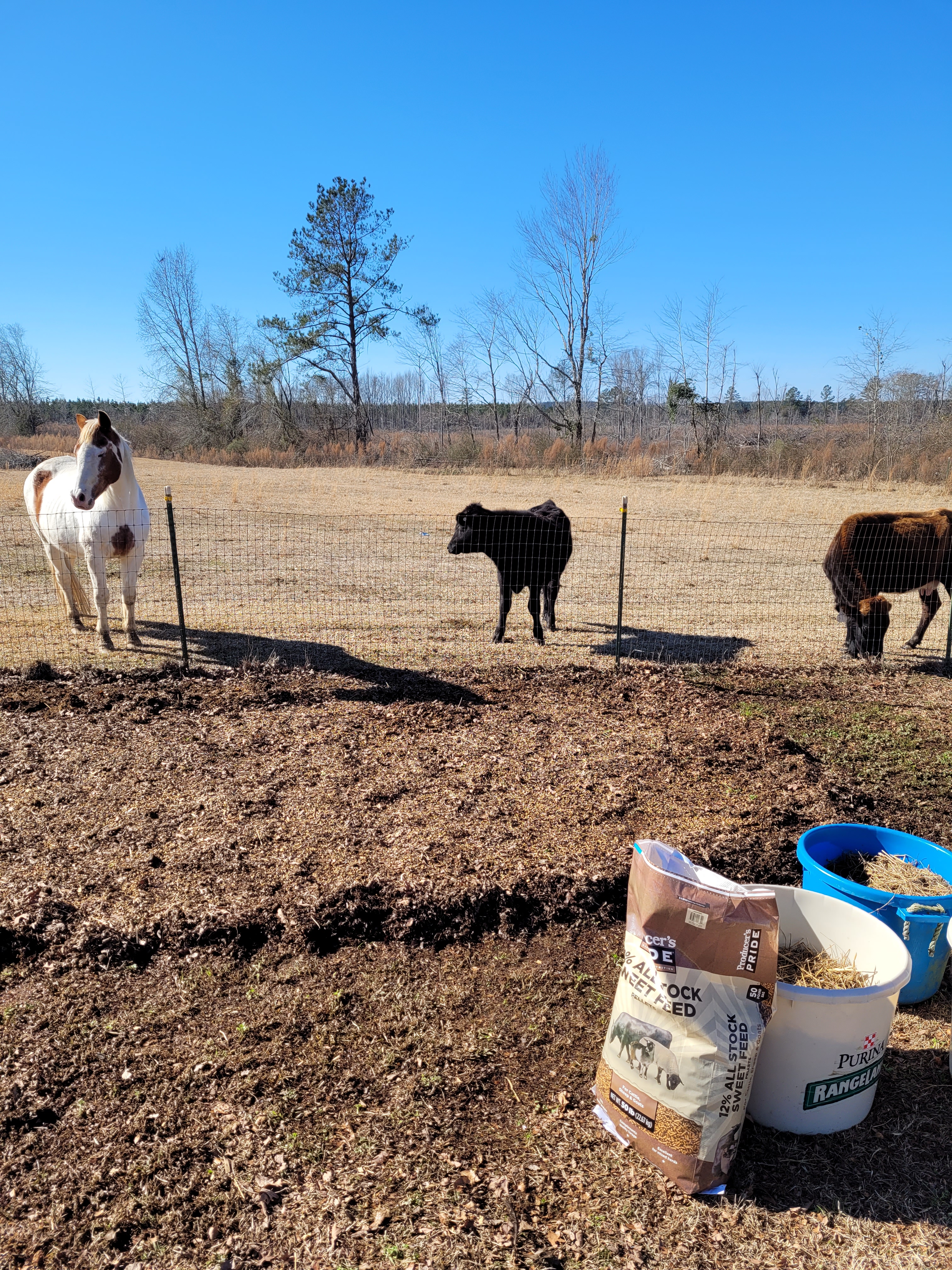
At this point, between the bedding and leaves we have somewhere around three or four inches of material on top of the grass to break down. Our next step is to get some cheap sweet feed and spread it like fertilizer. This will attract and feed worms who will also eat and help breakdown all the other compostable materials. Peewee and the cows heard me messing with a feed bag and had to come check it out.

Once the feed is down, we have two options for coverage. We can gather enough old hay from where we fed the Peewee and the cows and cover the garden in a couple inches or we can contact a local tree service and pick up a load or two of wood chips to cover the garden plot. We went for the hay due to time constraints but will probably get some wood chips in the spring to cover after we plant.
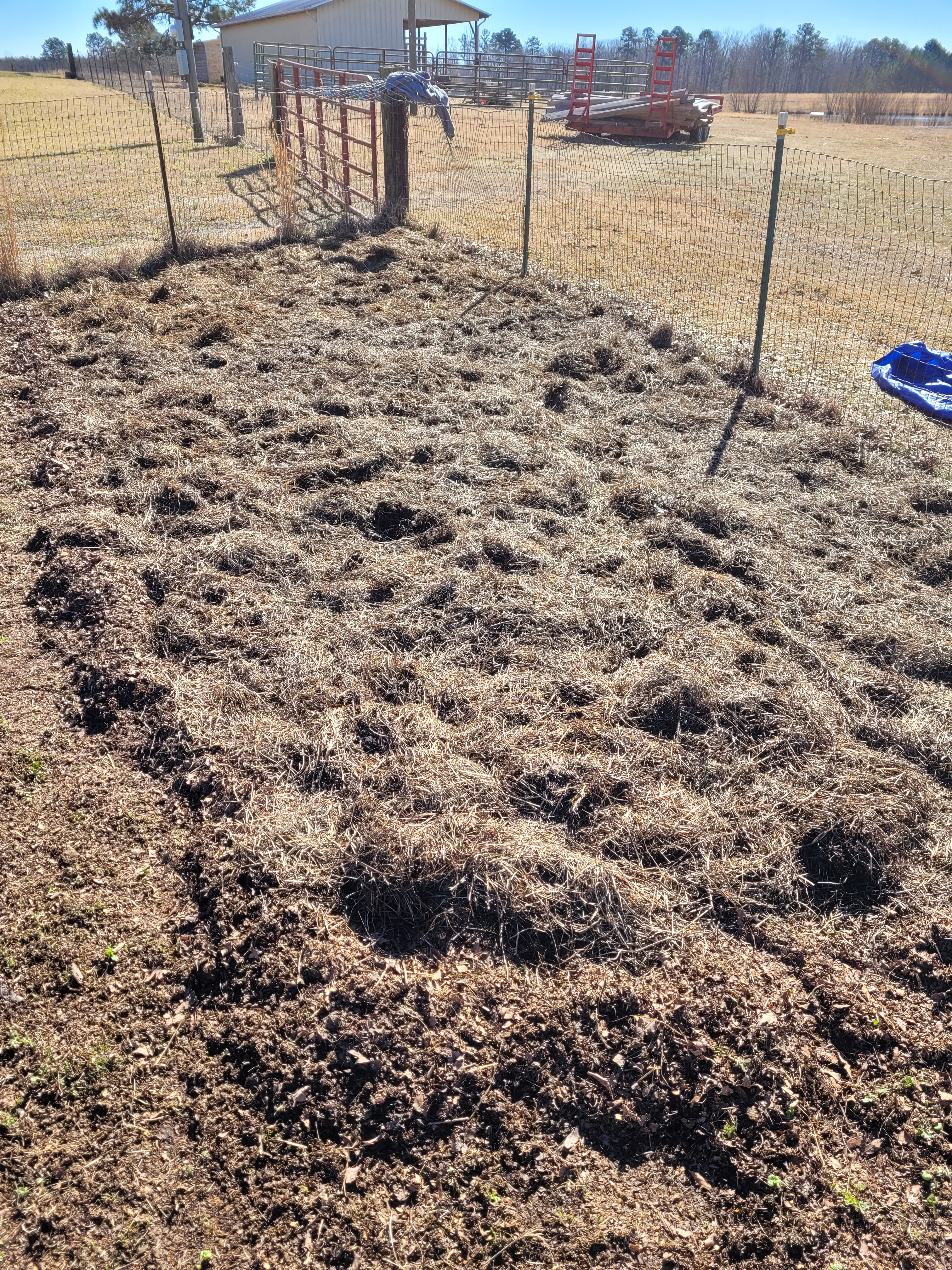
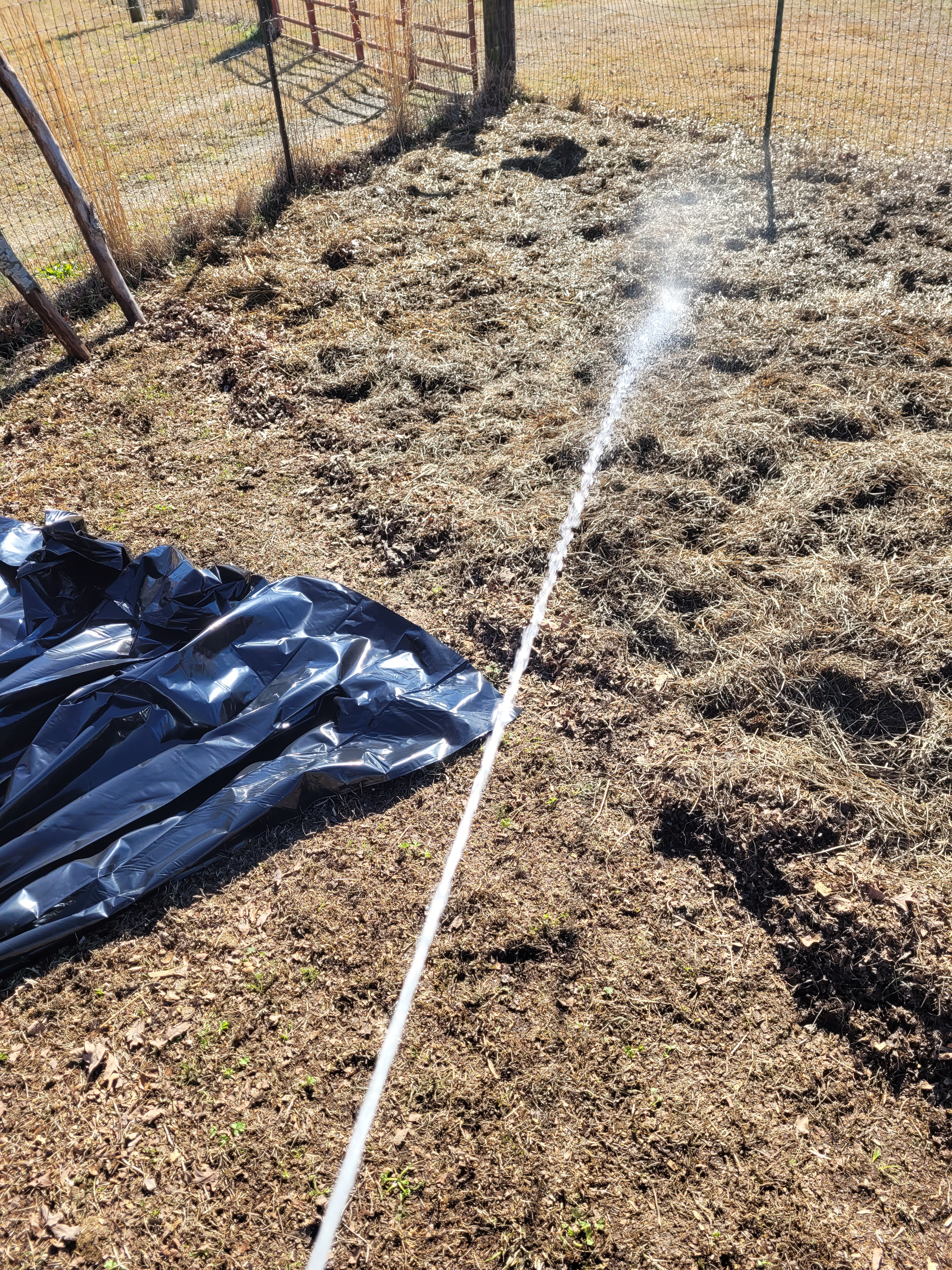
Once all of that is complete, the final step is to water it well and cover with a tarp or plastic. We have a large roll of black plastic to cover it with. This will stay on the plot until we are ready to plant in late March or early April as weather permits. Our last frost date is the first week of April, so we will start watching the ten day forecast to make sure it will be safe to put out starts and plant seeds. If all goes as planned the bedding and leaves will be well composted and the grass and roots will have died and left us rich fertile soil. We will pull back the hay and plant the seeds and starts and hopefully have a very productive growing season to further our self sufficiency and lower our food budget.

In the next part of the garden story, we will go over plant choices and seed starting! In the meantime, there will be plenty of other posts and stories to share. So please subscribe to get a notification when we post next and have a Sunflowery day!
 Sunflower Farms MS
One thought on “Garden: Part 1”